

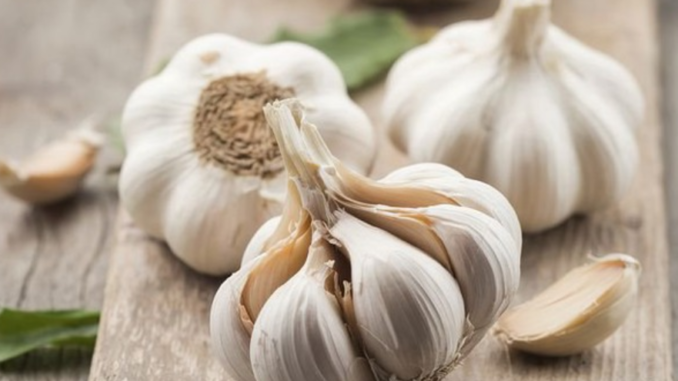
Garlic has been used for thousands of years to ward off colds and infections. In more recent years, researchers have found evidence that garlic, and sometimes garlic supplements, can benefit your overall health. Here are the top conditions garlic can help with.
1. Common Cold and Upper Respiratory Infections..READ FULL; ORIGINAL POST; FROM SOURCE.
Several studies suggest that garlic—specifically aged garlic extract—may boost your immune system and help reduce the number of days that you have cold symptoms.
This may be due to its ability to increase your production of natural killer cells as well as T and B cells. These cells are an essential part of the immune system that fight off disease-causing bacteria and viruses.
One study found that taking garlic could keep you from missing too much school or work, while another found that garlic can prevent viruses from replicating within your body.
2. High Blood Pressure
Research has found that garlic supplements may help lower blood pressure. Garlic may also lower your risk of experiencing a heart attack or other heart event by 16-40%. Plus, garlic supplements tend to have fewer side effects than common blood pressure medications.
Another study found that a compound in garlic (allicin) may reduce the production of a hormone that increases blood pressure.
3. Alzheimer’s Disease
Some research suggests that garlic, particularly aged garlic extract, may help reduce oxidative stress and lower the risk of Alzheimer’s disease and other dementias. It may also be protective against Parkinson’s disease, Huntington’s disease, and cerebral ischemia (a type of stroke). But researchers note that more studies are needed.
4. High Cholesterol
Researchers have found that both eating more garlic and taking garlic supplements can help lower LDL cholesterol, known as “bad” cholesterol. In one study, scientists found that people with high cholesterol who ate more garlic noticed lower readings.
Another study found that supplementing with garlic for more than two months could lower your cholesterol by up to 10%. However, the researchers say it has little effect on triglycerides.
5. Longevity
While the effects of garlic on human lifespan are difficult to prove, one Chinese study found that people who ate garlic regularly tended to live longer than those who ate it less than once a week.
Researchers suggest some of this may be due to garlic’s ability to boost immunity, prevent cancer, and improve heart health. However, more research is needed to make these claims.
6. Bone Health
As you age, your risk of osteoporosis (weak and brittle bones) increases, especially for people who are post-menopausal. But some researchers speculate that eating raw garlic or taking garlic tablets may help strengthen bones and prevent osteoporosis.
In a 2017 study, participants took garlic tablets equal to about 2 grams of fresh garlic per day, which boosted their calcium absorption. Calcium helps support bone health.
A 2018 study found that garlic may benefit people with osteoarthritis who have knee pain. Researchers found that after 12 weeks of garlic supplements (1 gram per day), people with osteoarthritis experienced less pain in their knee joints.
7. Heavy Metal Toxicity
Heavy metals such as lead can affect your blood pressure, cause headaches, and harm your vital organs. Researchers have early evidence that the sulfur compounds in garlic may reduce lead levels in your blood and your organs.
A 2012 study found that people who worked in a car battery factory and had excessive exposure to lead were able to reduce their toxicity levels by 19% with garlic supplementation. They also reported fewer headaches and improved blood pressure.
8. Cancer
Garlic contains several beneficial compounds, some of which may have cancer-prevention properties. For instance, garlic may block some phases of carcinogenesis (the process by which cells become cancer cells). Meanwhile, its sulfur components may affect how tumors behave in the body.
A 2021 study found that people who ate more garlic had a 54% lower risk of pancreatic cancer compared to those who did not eat garlic very often.
9. Metabolic Syndrome and Diabetes
Research suggests garlic may help manage metabolic conditions, like type 2 diabetes. A 2017 study found that increasing garlic intake may help improve blood glucose (sugar) levels within one to two weeks. Garlic may also help lower high cholesterol, which is common in people with type 2 diabetes.
Another 2018 study found that people with metabolic syndrome who supplemented with garlic lost weight and saw a decrease in waist size.17 However, more research is needed to determine if garlic helps with weight loss, as study results are mixed.
10. Polycystic Ovary Syndrome (PCOS)
Taking garlic supplements may help people with polycystic ovary syndrome (PCOS) manage their symptoms and lose weight. Weight gain and difficulty losing weight are common symptoms of PCOS. A 2023 study showed that supplementation helped reduce body mass index (BMI), waist circumference, and overall body weight in people with PCOS.
11. Wounds and Infections
Several studies have found that garlic has strong antibacterial and antifungal capabilities. For instance, some research shows that garlic can kill or limit the growth of bacteria linked to vaginitis and similar conditions. Garlic may also have a fungicidal effect that can combat yeasts like Candida albicans.
Should You Use Garlic?
If you are interested in adding garlic supplements to your regimen, talk to a healthcare provider to see if it is right for you. While studies suggest that taking a garlic supplement may be safe, in some situations, it may also increase your risk of bleeding.
Having this conversation is especially important if you already take blood thinners or you take aspirin regularly. A healthcare provider can also help you determine the right dosage for you and help you make a well-informed decision.