

The Central Bank of Nigeria (CBN) has reported a dramatic increase in the country’s net foreign exchange reserves, which climbed 772 percent in two years, rising from $3.99 billion at the end of 2023 to $34.80 billion as of December 2025...READ FULL; ORIGINAL POST; FROM SOURCE.
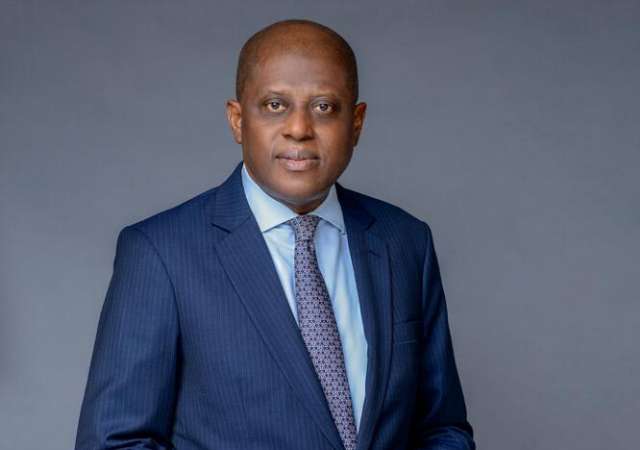
Olayemi Cardoso, the CBN Governor, disclosed the figures on Monday, describing the growth as a major improvement in both the level and quality of Nigeria’s external buffers. He said the surge validates ongoing policy reforms and reflects strengthened macroeconomic fundamentals.
Cardoso had previously noted during the post-Monetary Policy Committee (MPC) briefing that Nigeria’s gross external reserves reached $50.45 billion as of February 16, 2026.
In the statement, he attributed the rise in net reserves to increased transparency and credibility in foreign exchange management, which have boosted investor confidence, attracted stronger FX inflows, and improved reserve management practices aimed at preserving capital, ensuring liquidity, and supporting long-term sustainability.
“Net reserves increased sharply from $3.99 billion at the end of 2023 to $34.80 billion at the close of 2025, reflecting a fundamental improvement in reserve quality,” Cardoso said.
He also noted that the 2025 net reserve position alone surpassed the total gross reserves recorded at the end of 2023, which stood at $33.22 billion. Between end-2024 and end-2025, net reserves rose from $23.11 billion to $34.80 billion, while gross external reserves increased from $40.19 billion to $45.71 billion – a growth of $5.52 billion.
According to the CBN Governor, the expanded reserves strengthen Nigeria’s capacity to meet external obligations, support exchange rate stability, and enhance overall macroeconomic resilience.
Cardoso reaffirmed the Bank’s commitment to maintaining adequate reserve buffers, supporting orderly foreign exchange market operations, and sustaining macroeconomic stability in line with its statutory mandate.