

Health and Life Magazine – Vitamin E is an important micronutrient that plays an essential role in protecting cells and maintaining healthy skin, hair, and eyesight...READ FULL; ORIGINAL POST; FROM SOURCE.
However, in reality, many people are deficient in vitamin E without even knowing it, leading to numerous negative effects on their overall health.
CONTENT:
Serious consequences of vitamin E deficiency
Signs that indicate a vitamin E deficiency.
Proper vitamin E supplementation
Vitamin E is an important micronutrient that plays a vital role in the body, specifically:
Powerful antioxidants
Vitamin E is known as one of the most important antioxidants. This active ingredient has the ability to neutralize free radicals – the cause of cell damage, accelerated aging, and increased risk of chronic diseases. Therefore, vitamin E helps protect cell membranes and slow down premature aging.
Improve and protect your eyesight.
Studies show that vitamin E plays a role in protecting the retina and improving blood circulation to the eyes, thereby helping to reduce the risk of developing age-related macular degeneration. This is one of the leading causes of vision loss in middle-aged and older adults.
Improve skin
Vitamin E nourishes the skin from within, increasing moisture, reducing dryness and flaking, and helping to fade dark spots. Thanks to its antioxidant properties, vitamin E helps the skin look radiant, smooth, and slows the appearance of wrinkles.
Improve hair health
Vitamin E helps nourish hair follicles, improves blood circulation in the scalp, and strengthens hair from root to tip. Adequate vitamin E intake results in shiny, soft, and smooth hair, reducing hair loss and split ends.
Boost your immune system.
Vitamin E helps boost the activity of immune cells, enhancing resistance and helping the body fight against bacteria, viruses, and other infectious agents.
Supports cardiovascular health.
Vitamin E helps limit the oxidation of bad cholesterol (LDL), thereby reducing the risk of atherosclerosis and supporting the prevention of myocardial infarction and other cardiovascular diseases.
Vitamin E also plays a role in maintaining healthy nerve function, improving cognitive abilities, and protecting muscle tissue from damage, helping muscles recover better after exercise.
Những ảnh hưởng khi cơ thể thiếu hụt vitamin E- Ảnh 1.
Vitamin E is known to be one of the most important antioxidants.
Serious consequences of vitamin E deficiency
A prolonged vitamin E deficiency can lead to numerous health problems, affecting many organs in the body, including:
Macular degeneration (AMD)
Vitamin E deficiency increases the risk of macular degeneration, which causes loss of central vision and reduced visual acuity, especially in older adults.
Blood clotting disorders
Vitamin E plays a role in protecting blood vessels. A deficiency can reduce the body’s ability to clot blood, increasing the risk of bruising and abnormal bleeding.
Having skin conditions
A lack of vitamin E causes the skin to become dry, flaky, and easily irritated. Skin lesions heal slowly, and inflammatory acne is more likely to appear and recover.
Scalp inflammation and hair damage
When the body lacks vitamin E, the scalp often becomes dry, itchy, prone to dandruff, or has an increased risk of fungal infections. Hair becomes weak, brittle, prone to falling out, thin, and grows slowly.
Affects bones and joints
A deficiency in vitamin E antioxidants accelerates the aging of bones and cartilage, increasing the risk of osteoarthritis and reducing the ability to recover from injury.
Signs that indicate a vitamin E deficiency.
Vitamin E deficiency can stem from various causes, such as an unbalanced diet, liver or kidney disease that reduces fat absorption, or chronic digestive disorders. People with vitamin E deficiency often exhibit quite clear symptoms:
Vision impairment : Blurred vision, poor vision in low light conditions, eye strain, tearing, and signs of lens opacity.
Fatigue and dizziness : Persistent fatigue and dizziness due to impaired cellular function and a weakened immune system.
Easy bruising and bleeding : Even minor impacts can cause bruising, and the bruises take a long time to heal.
Weak and brittle hair : Excessive hair loss, dry hair, split ends, dullness, thinning, and sparseness.
Muscle disorders : Numbness and tingling in the extremities, muscle weakness, difficulty with coordination, and balance disorders.
Proper vitamin E supplementation
The effects of vitamin E deficiency highlight the importance of maintaining adequate levels of this vitamin. Currently, there are two common ways to supplement vitamin E: through natural foods and using supplements when necessary.
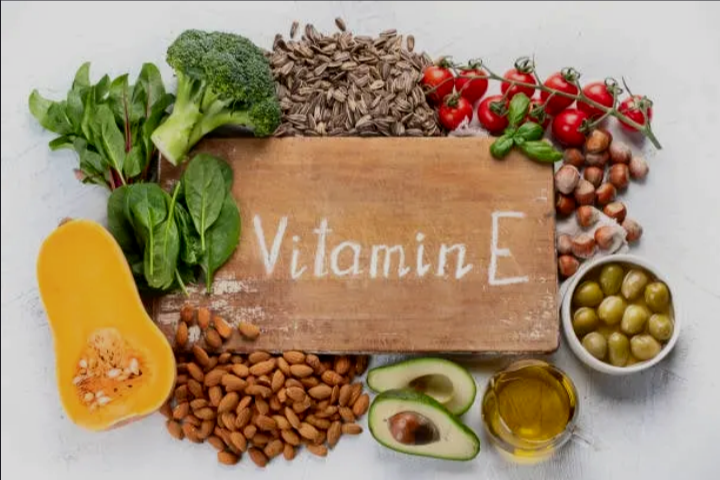
Vitamin E is present in many common foods. Building a diverse and balanced diet is the safest and most effective way to prevent vitamin E deficiency.
Nuts such as almonds, sunflower seeds, cashews, walnuts, pistachios, and macadamia nuts are rich sources of vitamin E.
Vegetable oils such as sunflower oil, olive oil, soybean oil, and peanut oil contain high levels of vitamin E.
Dark green leafy vegetables such as spinach, kale, broccoli, and parsley are not only rich in vitamin E but also contain many beneficial minerals.
Fruits like avocado, gac fruit, tomatoes, bell peppers, and coconut are foods rich in vitamin E that are easy to incorporate into your daily diet.
Fatty fish such as salmon, mackerel, herring, and tuna not only provide vitamin E but are also rich in omega-3s, which are excellent for cardiovascular health, vision, and brain function.
In addition, getting enough rest, reducing stress, not smoking, and controlling alcohol consumption also contribute to the body’s more effective absorption and utilization of vitamin E.
In summary: Vitamin E plays a crucial role in overall health, from protecting cells and maintaining vision, skin, and hair to boosting immunity and cardiovascular health. A deficiency in vitamin E can lead to serious consequences if not detected and addressed promptly. Therefore, everyone should proactively develop a healthy and varied diet rich in vitamin E and undergo regular health checkups to ensure their bodies receive sufficient amounts of this essential micronutrient.